

Founding Congress of Mediators of the Kyrgyz Republic
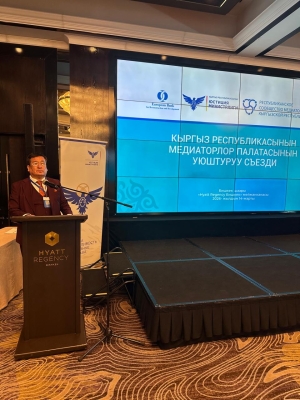
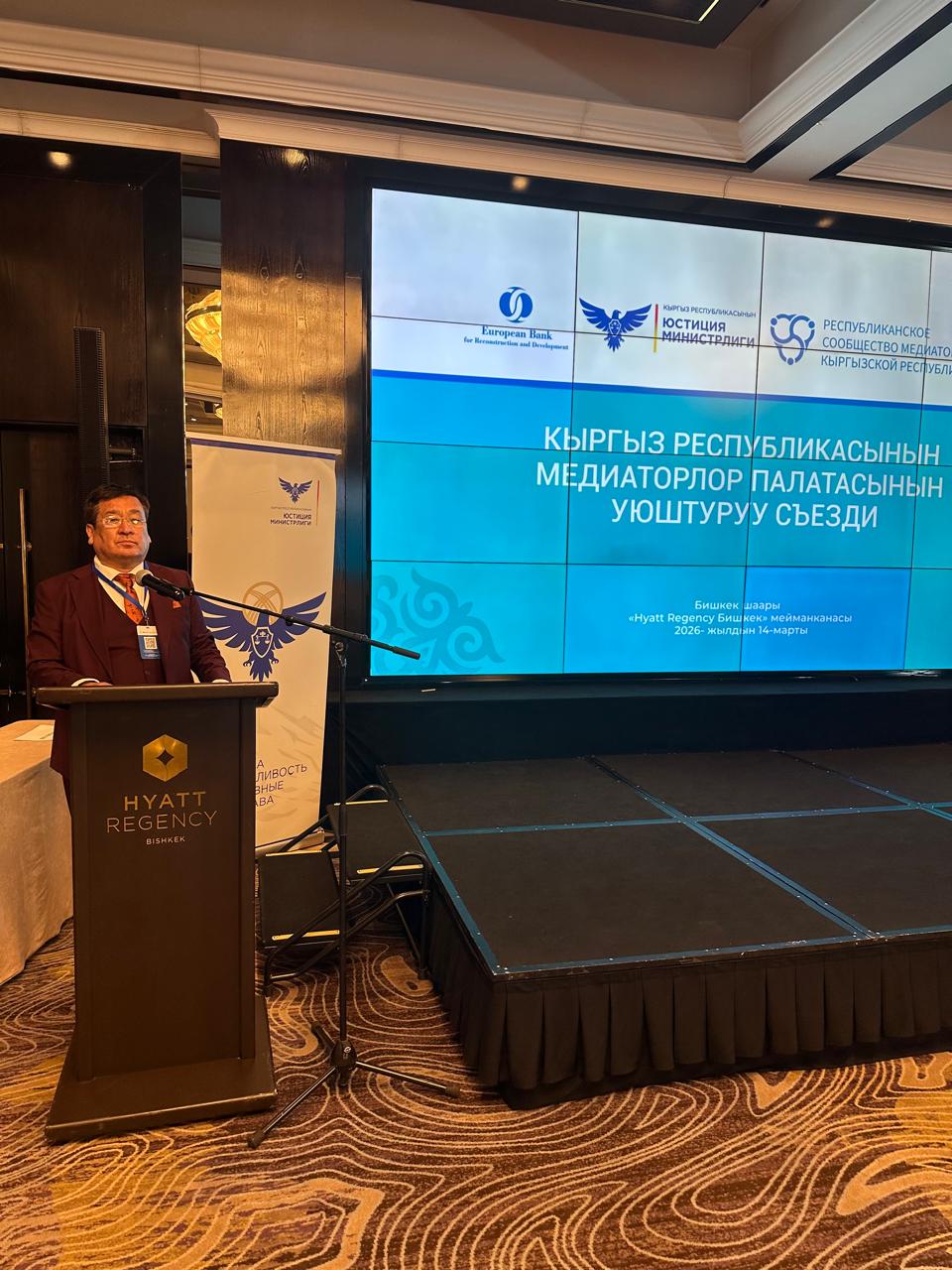
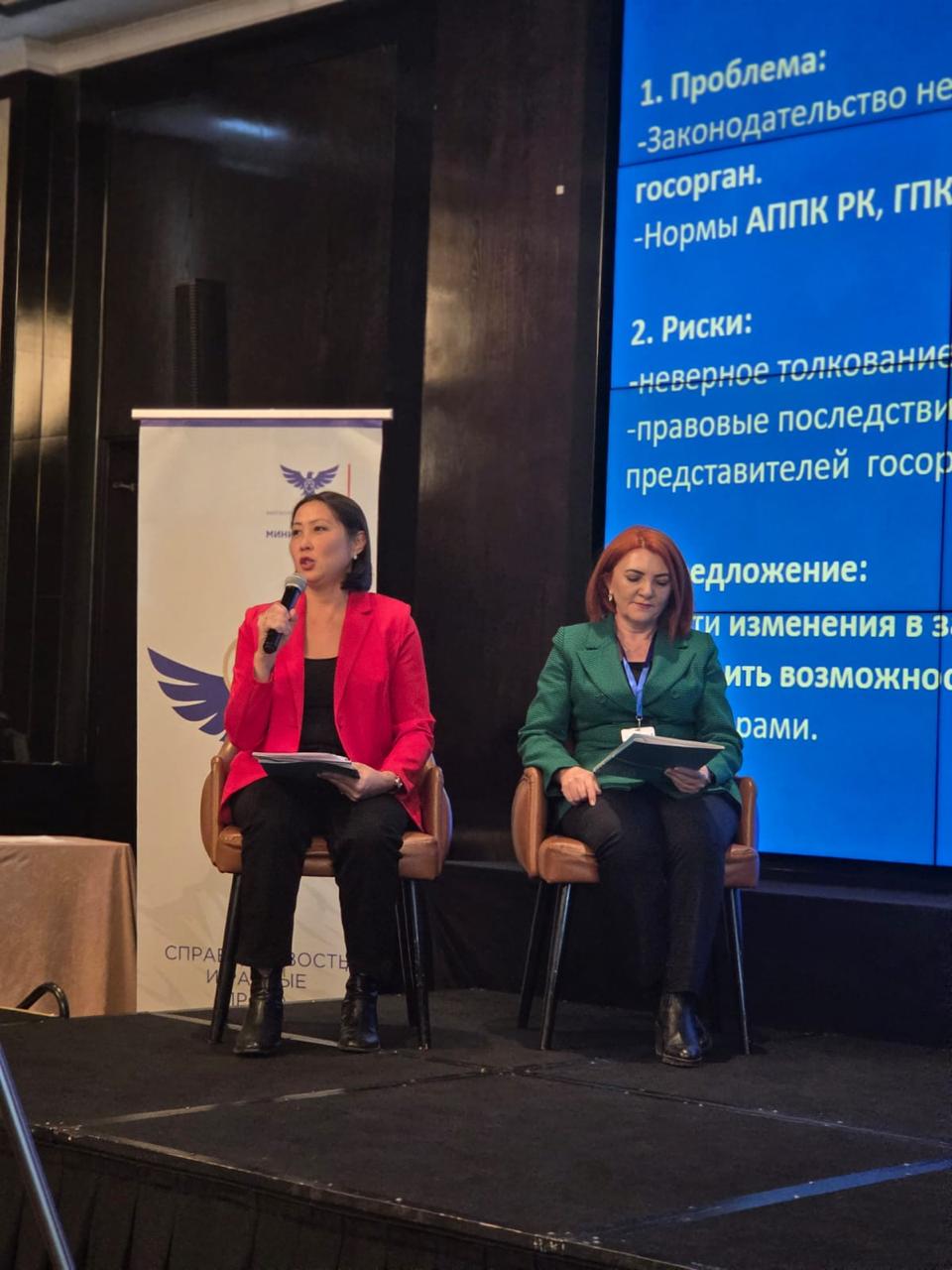
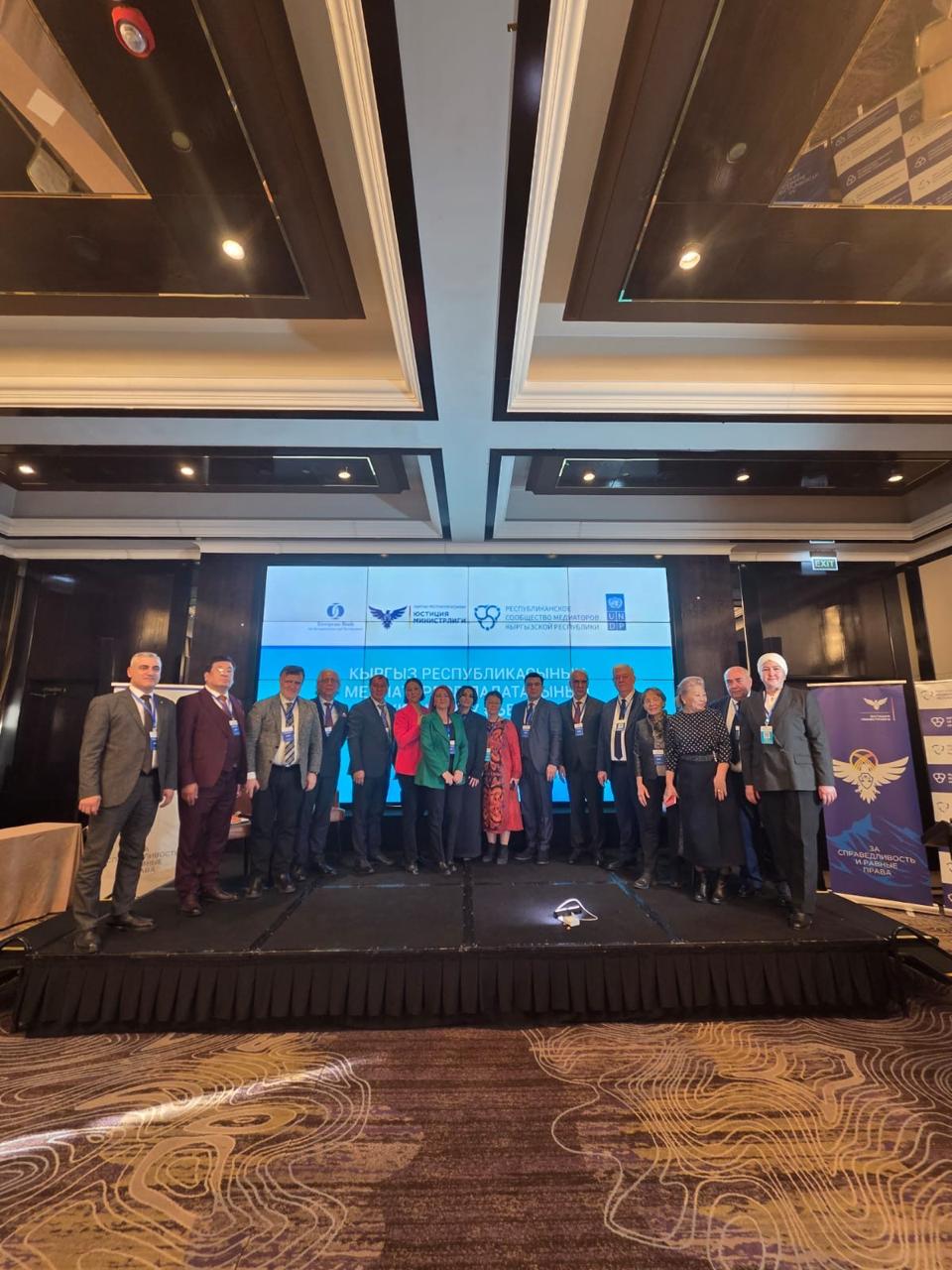
On March 14, 2026, the Founding Assembly of Mediators of the Kyrgyz Republic was held in Bishkek. The event was organized by the Ministry of Justice of the Kyrgyz Republic and the Republican Community of Mediators of the Kyrgyz Republic (RCM), with the support of the European Bank for Reconstruction and Development (EBRD) and the United Nations Development Programme (UNDP). The congress was attended by mediators, members of the Jogorku Kenesh, representatives of state bodies and the judicial system, as well as international experts and partners.
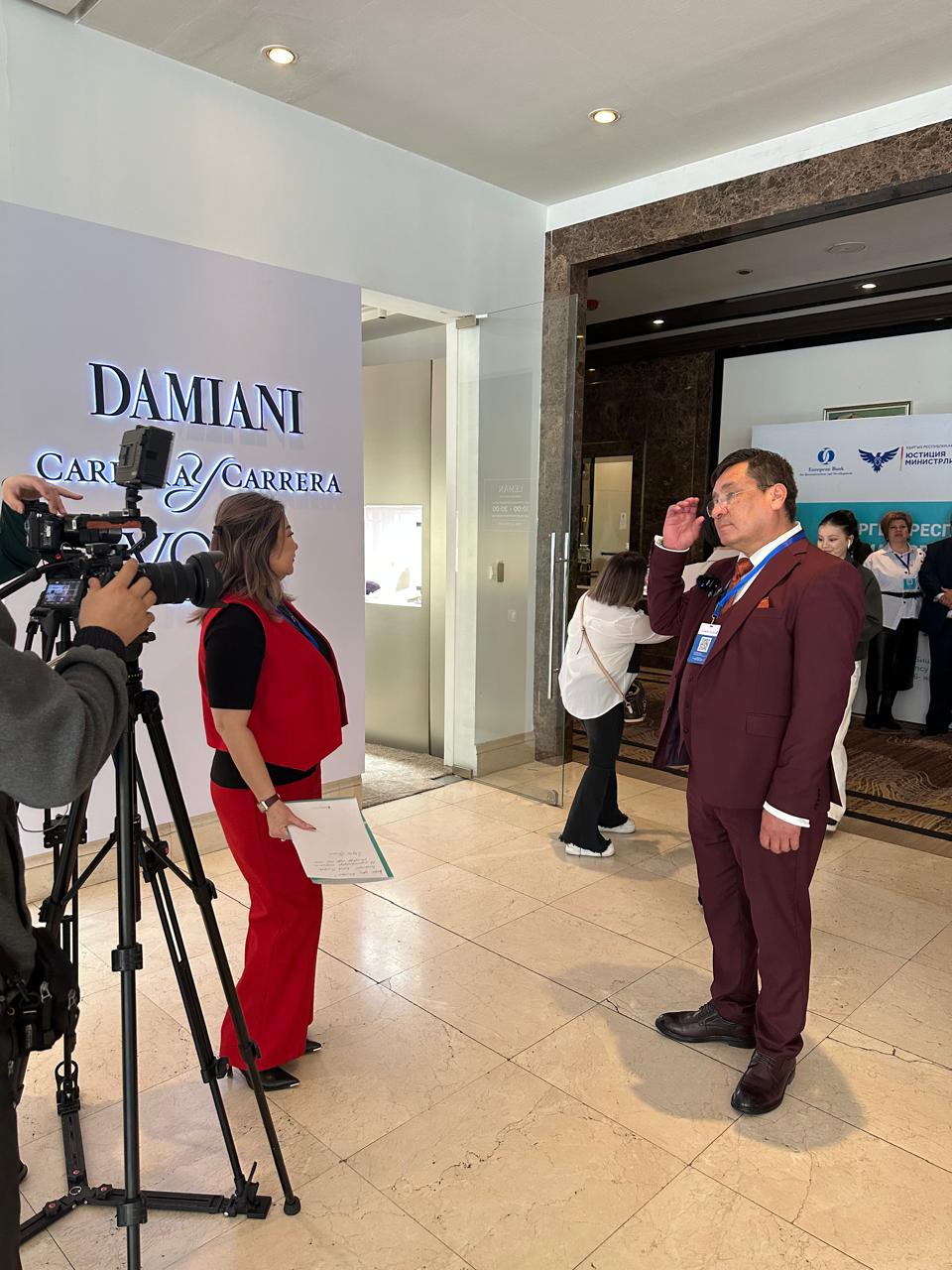
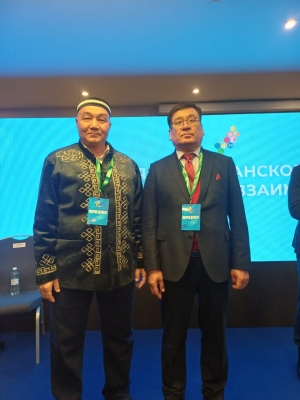
The purpose of the congress was to establish the Chamber of Mediators of the Kyrgyz Republic, approve its founding and internal regulatory documents, form its governing bodies, and discuss a strategic step for the legal system — Kyrgyzstan’s accession to the UN Convention on International Settlement Agreements, which would make it possible to recognize mediation outcomes at the international level. The Head of the International Legal Center, Zhakupov Zhandilda, and the Coordinator of the International Legal Center, Aida Zamanbekova, were also invited to participate in the congress. Mr. Zhakupov delivered a welcoming speech and expressed words of support at this historic moment for the mediators of Kyrgyzstan.
At the opening of the event, speeches on the development of mediation in Kyrgyzstan were delivered by K.K. Kazakov, Deputy Minister of Justice of the Kyrgyz Republic; Ayten Rustamova, Regional Director of the EBRD Representative Office; A. Solovyeva, UNDP Resident Representative; and Yakup Erikeli, Chairman of the Association of Mediators of the Turkic World.
During the congress, the Charter of the Chamber of Mediators of the Kyrgyz Republic, the Code of Professional Ethics for Mediators of the Kyrgyz Republic, the Regulations on the Council of the Chamber of Mediators, the Regulations on the Audit Commission, and the Development Program of the Chamber of Mediators for 2026–2028 were approved. Members of the Council and the Commissions of the Chamber were also elected.
In the second half of the congress, the topic of Kyrgyzstan’s accession to the Singapore Convention on Mediation was presented in detail by Natalya Borisovna Alenkina, Candidate of Legal Sciences and international expert. During the panel discussion on “Contemporary Challenges in the Professional Activity of a Mediator,” international experts from Azerbaijan, Uzbekistan, and Turkey delivered presentations. Aida Zamanbekova, Coordinator of the International Legal Center and trainer-mediator, spoke about the challenges facing mediation in Kazakhstan.
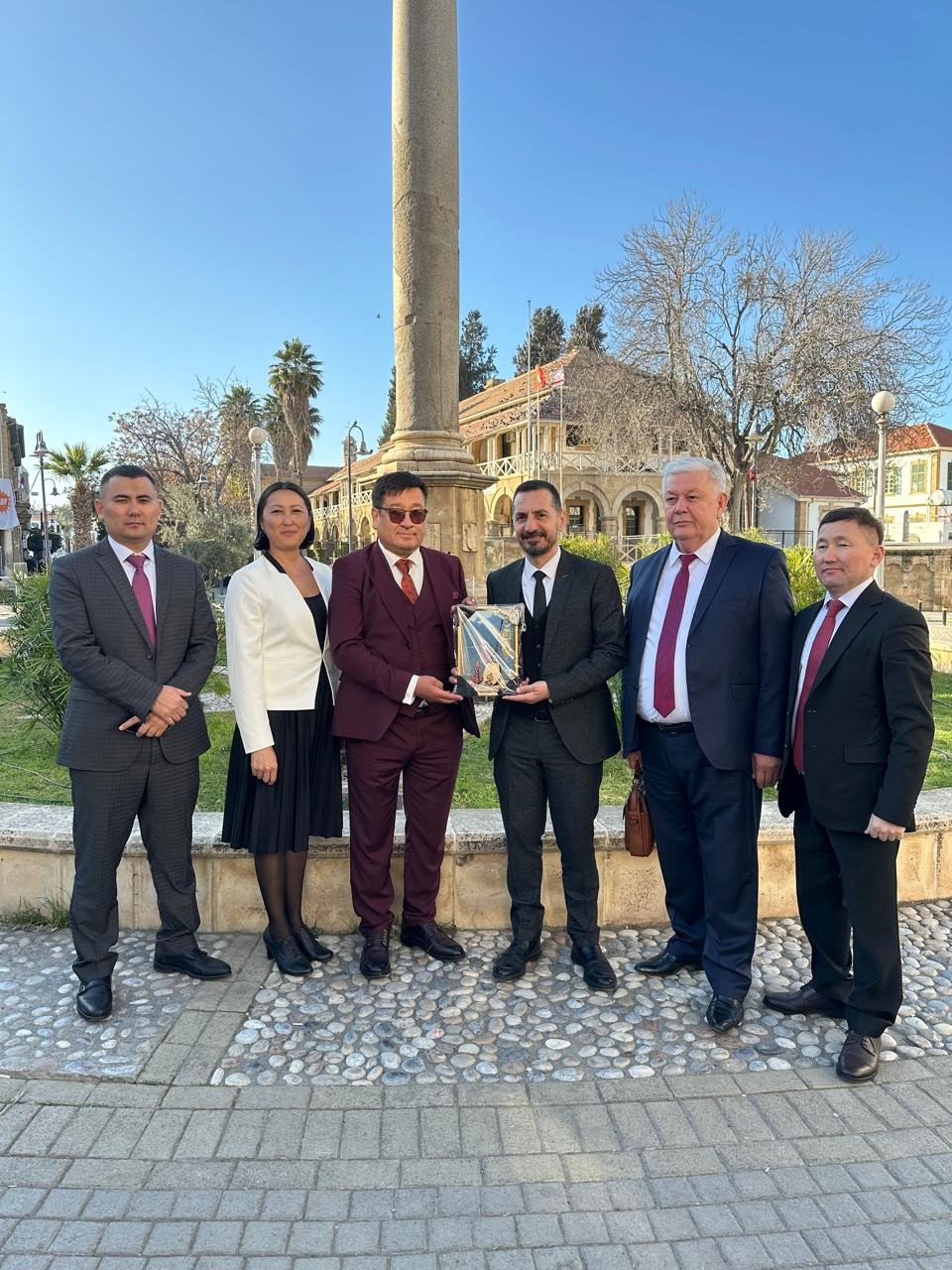
Working Meetings on Mediation in Northern Cyprus


Letter_of_Appreciation
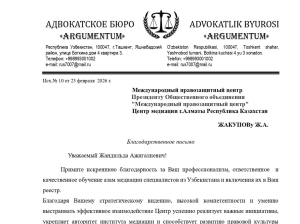
A letter of appreciation was received by Zhakupov Zh.A., Head of the IPC and mediator-trainer, from Bakhtiyar Abduamazhit-ugli Kudaibergenov, Head of the Argumentum Law Bureau, international mediator, member of the International Union of Lawyers (IUCA), and Justice Counselor. In his letter, he expressed gratitude for the professionalism, responsible and high-quality training in mediation, noting the strategic vision, high level of competence, and the ability to build effective interaction.

Working Meeting with the Rector of the Eurasian Law Academy
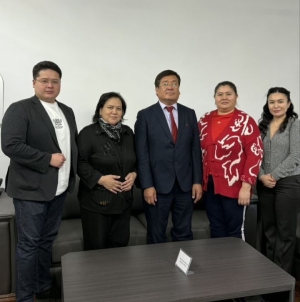
On February 6, 2026, a working meeting was held between Zhanat Zhakupov, Head of the "International Human Rights Center" (ROO), and Zhazira Omirali, Rector of the D. Kunaev Eurasian Law Academy. The discussion focused on cooperation and the promotion of the institute of mediation within the educational environment, including at the international level. The parties discussed the upcoming visit of university lecturers and professors from Turkey, scholars from Azerbaijan, and representatives of the Turkic World Mediators Association. Plans were made to organize a series of guest lectures for students, featuring foreign guests and mediation trainers from Kazakhstan.

Mediation Section at the Civil Forum of Kazakhstan
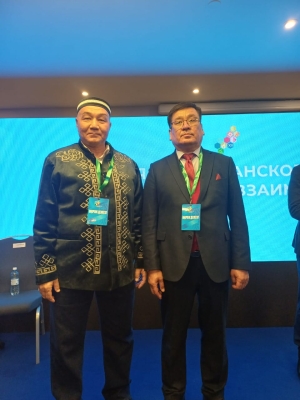
On October 15–16, 2025, the XII Civil Forum of Kazakhstan was held in Astana — the main platform for dialogue between the state and civil society. At the Mediation Section, MPC Director Zhandilda Zhakupov presented proposals on the need to reform the Kazakhstani mediation institute, taking into account international experience. The participants of the section supported his proposals and shared their vision for the future of mediation in Kazakhstan.
Text of the speech by Zhandilda Zhakupov:
Proposals for the Development of the Mediation Institute in Kazakhstan
Zhandilda Zhakupov
President of the NGO “International Human Rights Center”
Trainer-Mediator
Over the past two years, the Kazakhstani mediation institute has not received adequate development, despite the proposals we have submitted annually. Central Asian countries are entering a new stage of growth in the field of mediation: they are introducing mandatory informational sessions, reforming the organizational structures of mediation centers, establishing new rules and standards, and more. I once again present for discussion my proposals to strengthen the role of professional mediators, establish a unified Chamber of Mediators, and address other issues in the field of mediation:
-
Strengthen the role of mediators at the pre-trial stage of dispute resolution, including at the legislative level by making amendments and additions to the current legislation. Since 2016, court mediation has been developing, but by the time a lawsuit is filed, the parties have already turned to lawyers and attorneys for assistance, paid their fees, and paid the state duty — taking steps to bring the case to court. Therefore, pre-trial mediation is seen as more effective to prevent conflict escalation and avoid material and time costs for the disputing parties. For example, in Azerbaijan, mandatory informational sessions with a mediator for labor, family, and commercial disputes have long been used as an effective pre-trial dispute resolution tool. In Uzbekistan, investment disputes must involve mediators before filing a lawsuit. In Turkey, mandatory informational sessions are held for seven types of civil disputes (inheritance disputes, lease issues, labor disputes, etc.). In Kyrgyzstan, the Government adopted a Mediation Development Concept, which provides for mandatory pre-trial informational sessions with a mediator and the creation of a Unified Chamber of Mediators.
-
There is a need for Legal and Mediation Assistance Centers in each region for socially vulnerable groups who require assistance but cannot afford professional services. It is proposed to consider opening such centers in each region, funded through state social orders by local executive bodies, grants, or other sources. This measure will also contribute to achieving the Sustainable Development Goal of reducing inequality. This is especially relevant for disputes in banking and microcredit relations.
-
Initiate, develop, and adopt a State Program in the field of mediation and the preservation of social harmony, or a Concept for Mediation and Legal Assistance, involving all local executive bodies, judicial and other state authorities, professional and public mediators, as well as the Assembly of the People of Kazakhstan. This is particularly important in today’s political turbulence; preventive measures are needed to avoid conflicts and disagreements. Economic difficulties and the growth of socio-political conflicts require the development of a state-level dispute resolution system. The potential of mediation and the mediative approach in solving this problem is high.
-
Current legislation does not clearly regulate mediation by mediators when a state body is one of the parties. The norms of the Administrative Procedural Code, Civil Procedure Code, and the Law of the Republic of Kazakhstan “On Mediation” do not provide clear guidance, which may lead to incorrect application or interpretation of legal norms and consequences for mediation agreements or decisions made by state representatives. Therefore, amendments are proposed to legally authorize professional mediators to conduct mediations involving state bodies.
-
Consider the issue of free-of-charge activity of conciliatory judges and public mediators for all types of disputes and participants. The activity of conciliatory judges is funded by the budget and is free of charge; as a result, all civil disputes are resolved by them without restriction. The state duty is refunded to the parties if reconciliation occurs. This approach, however, discourages people from turning to professional mediators, develops a consumerist attitude towards the judicial system, and allows disputes to be handled without cost. Public mediators also operate free of charge, but they lack specialized mediation training and legal knowledge, although their agreements have legal effect. Their scope of work should be limited.
Consequently, it is proposed to:
-
Abolish the position of judge-mediator with corresponding legislative amendments, or amend the legislation to retain 50% of the state duty in cases of reconciliation by a conciliatory judge;
-
Exclude conciliatory judges as public mediators from the Law “On Mediation”;
-
Exclude retired judges from automatically becoming professional mediators without training;
-
Exclude or restrict public mediators without mediation training, limiting them to small claims and excluding criminal matters.
-
-
Improving the qualifications of mediators. The 2021 amendments to the Law “On Mediation” introduced the obligation for mediators to regularly improve their professional level according to government-approved training programs. However, these requirements are abstract and lack specifications regarding frequency or penalties for non-compliance. Regulations for trainer-mediators also need clarification to ensure training quality.
-
Ease the tax burden on professional mediators through amendments to tax legislation. Mediation is a social service aimed at conflict resolution and maintaining public harmony. Currently, mediators pay six types of taxes, with repeated social insurance contributions from each income type. In other CIS countries, taxes on mediators are significantly lower (e.g., Belarus charges only 13% income tax, while in Kazakhstan taxes range from 30–50%).
-
Maintaining a registry of mediator organizations by the authorized state body. Currently, the registry is on the Ministry’s website but contains inconsistencies, including multiple versions and organizations not having websites. Regulatory compliance and accurate registry maintenance are required.
-
To coordinate mediation development, establish a Unified National Chamber of Mediators or merge them into a Mediators’ Association including heads of mediator organizations on the board. Similar unified organizations exist in Azerbaijan and Kyrgyzstan.
-
Amend legislation to implement the Singapore Convention on Mediation for enforcement of mediated settlements. Kazakhstan has signed and ratified the Convention, but no further actions have been taken.
-
Consider Kazakhstan’s participation in the international mediators’ organization IQMed, established with a convention signed in May in Hong Kong. Founding membership is available only until the end of this year.
-
Transfer the mediation institute to the Ministry of Justice. Lawyers, notaries, private bailiffs, and mediators are legal professionals in private practice. In all CIS and foreign countries, mediation falls under the Ministry of Justice, ensuring Kazakhstan’s participation in international mediation events.
-
Continue promoting the mediation institute among the public and raise awareness about alternative dispute resolution methods. The population’s understanding of mediation remains insufficient, requiring further support from the authorized mediation body, judicial authorities, and others.
Additionally, it is necessary to exclude mediator organizations from the Law “On Non-Commercial Organizations” as professional and self-regulatory entities.
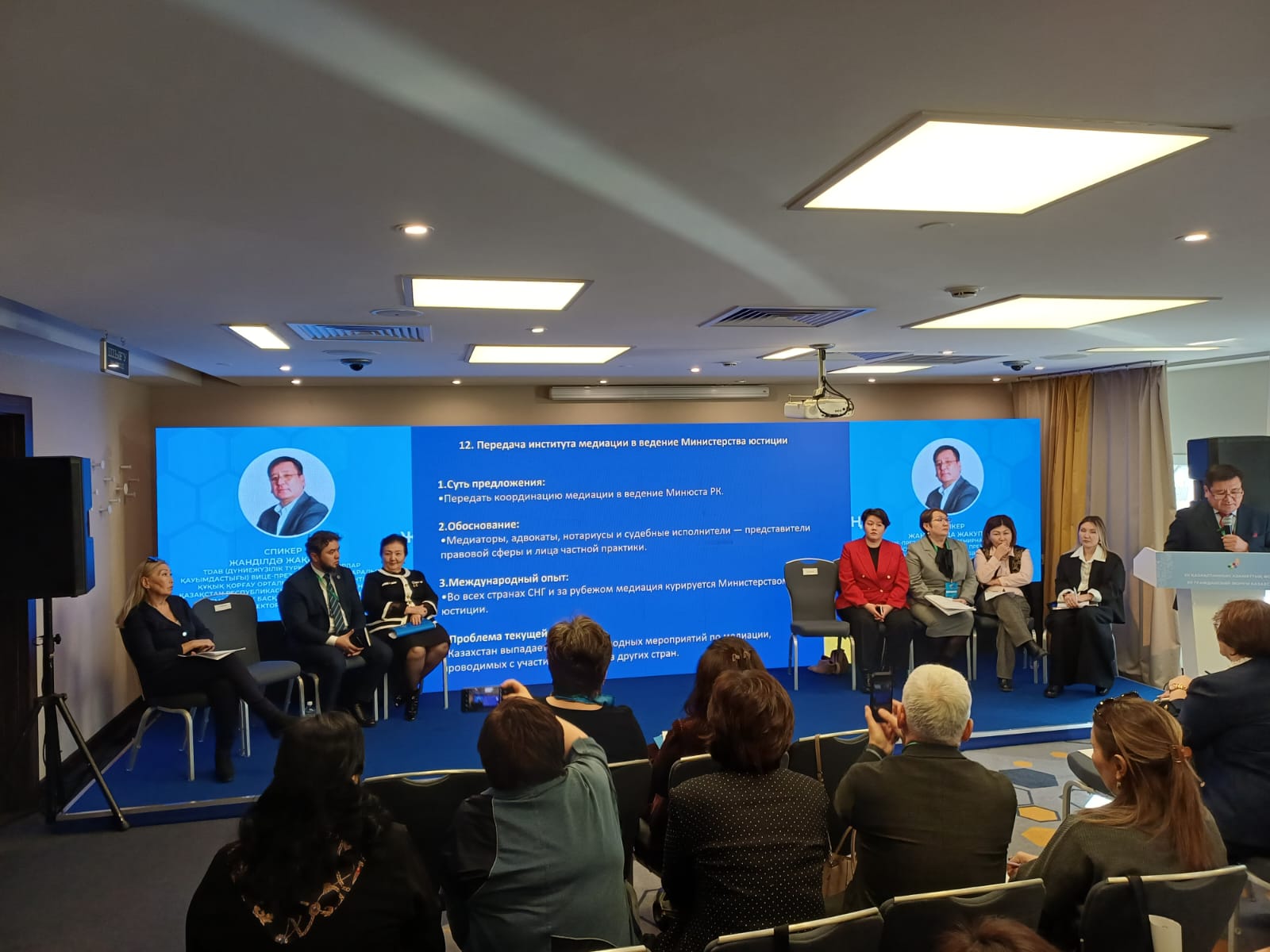
Қазақстан Азаматтық Форумындағы медиация секциясы
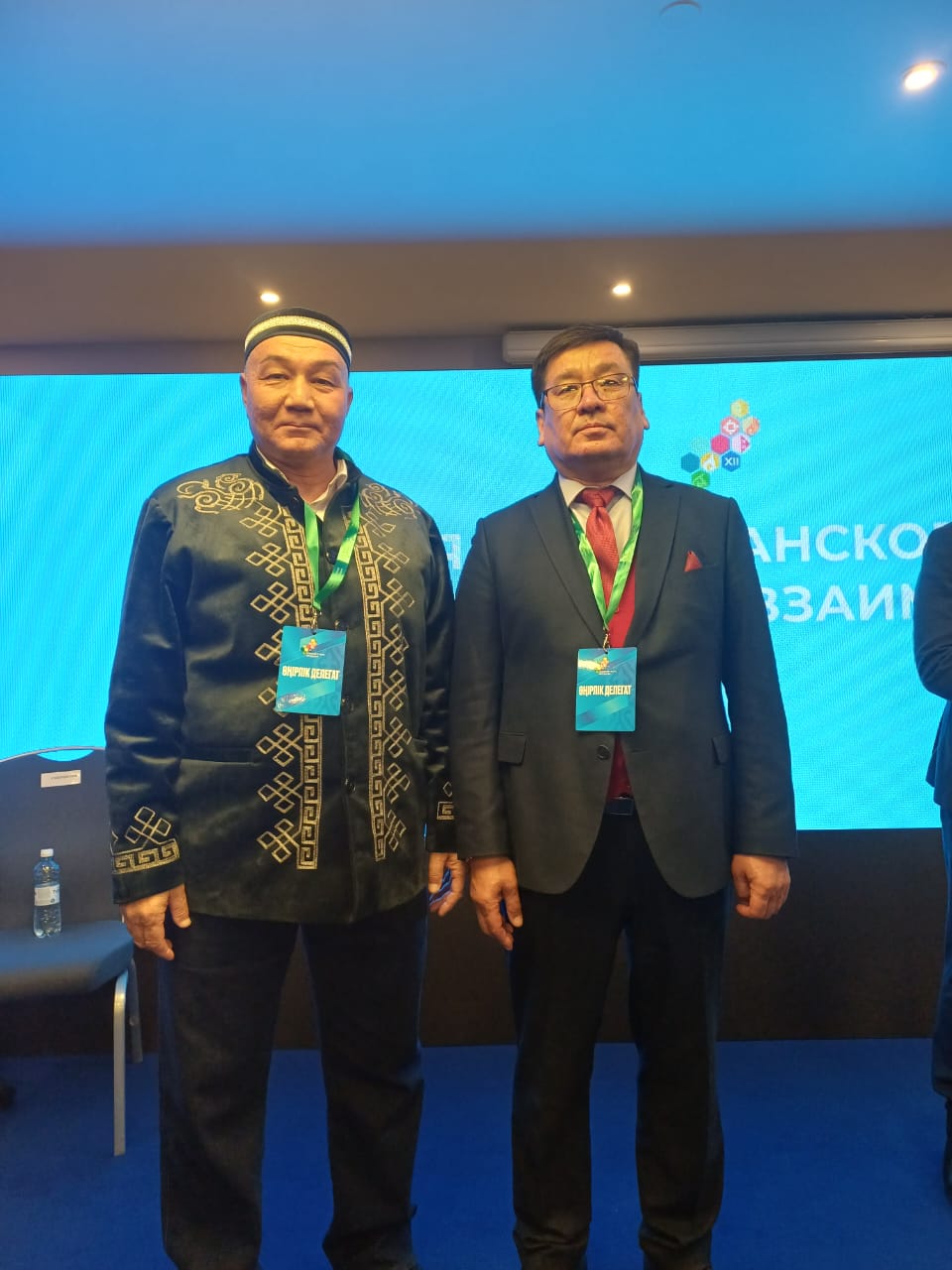
2025 жылғы 15–16 қазан күндері Астанада XII Қазақстан Азаматтық форумы өтті — бұл мемлекет пен азаматтық қоғам арасындағы басты диалог алаңы болып табылады. Медиация секциясында МПЦ басшысы Жақупов Жандильда Қазақстандағы медиация институтын халықаралық тәжірибені ескере отырып реформалау қажеттігі туралы ұсыныстарымен сөз сөйледі. Секция қатысушылары оның ұсыныстарын қолдап, Қазақстандағы медиацияның болашағы туралы өз көзқарастарын білдірді.
Жақупов Ж.А.-ның сөз сөйлеу мәтіні:
Медиация институтын Қазақстанда дамыту жөніндегі ұсыныстар
Жақупов Жандильда
ХҚҰ «Халықаралық құқық қорғау орталығы» Президенті
Тренер-медиатор
Соңғы екі жылда Қазақстандағы медиация институты тиісті деңгейде дамып келе жатқан жоқ, тіпті біз жыл сайын ұсынып келе жатқан ұсыныстарға қарамастан. Орта Азия елдері медиация саласында жаңа даму кезеңіне өтіп жатыр: міндетті ақпараттық әңгімелер енгізілуде, медиация орталықтарының ұйымдастырушылық құрылымдары реформаланып жатыр, жаңа ережелер мен стандарттар бекітілуде және тағы басқа шаралар қабылдануда. Мен кәсіби медиаторлардың рөлін күшейту, біріккен медиаторлар палатасын құру және медиация саласындағы басқа да мәселелер бойынша өз ұсыныстарымды талқылауға ұсынғым келеді:
-
Дауларды сотқа дейінгі кезеңде шешуде медиаторлардың рөлін күшейту, соның ішінде қолданыстағы заңнамаға өзгерістер мен толықтырулар енгізу арқылы. 2016 жылдан бастап сот медиациясы дамып келеді, бірақ талап арыз берілгенге дейін тараптар заңгерлерге және адвокаттарға жүгініп, олардың қызметі үшін ақы төлейді, мемлекеттік баж төлейді, яғни сотқа жүгіну үшін бірқатар шаралар қабылданған. Сол себепті даулардың эскалациясын болдырмау және тараптарға материалдық және уақыттық шығындарды азайту мақсатында медиаторлардың сотқа дейінгі кезеңдегі жұмысы тиімдірек көрінеді. Мысалы, Әзірбайжанда еңбек, отбасылық, шаруашылық даулар бойынша медиатормен міндетті ақпараттық әңгіме сотқа дейінгі дауларды шешудің тиімді құралы ретінде қолданылып келеді. Өзбекстанда инвестициялық даулар міндетті түрде медиаторлардың қатысуымен қаралады. Түркияда 7 түрлі азаматтық даулар бойынша міндетті ақпараттық әңгіме өткізіледі. Қырғызстанда Үкімет қаулысымен медиацияны дамыту тұжырымдамасы қабылданған, оған сотқа дейін медиатормен міндетті ақпараттық әңгіме өткізу, Біріккен медиаторлар палатасын құру сияқты мәселелер енгізілген.
-
Әр облыста әлеуметтік тұрғыдан осал топтарға заңдық және медиативтік көмек көрсету орталықтарын ашу қажеттілігі бар. Мұндай азаматтар медиаторлардың қызметіне ақша төлеуге мүмкіндігі жоқ. Бұл орталықтар мемлекеттік әлеуметтік тапсырыстар, гранттар немесе басқа көздер есебінен жұмыс істей алады. Бұл шара теңсіздікті азайту сияқты Тұрақты даму мақсаттарына қол жеткізуге ықпал етеді. Әсіресе бұл банк және микрокредиттік қатынастар саласындағы дауларды шешуде өзекті.
-
Медиация және қоғамдық келісімді сақтау саласында мемлекеттік бағдарламаны немесе медиативтік-құқықтық көмек тұжырымдамасын әзірлеу және қабылдау қажет, оған барлық жергілікті атқарушы органдар, сот және басқа мемлекеттік органдар, кәсіби және қоғамдық медиаторлар, сондай-ақ Қазақстан халқы Ассамблеясы тартылуы тиіс. Бұл мәселе қазіргі саяси турбуленттік жағдайында ерекше маңызды, бізге даулар мен келіспеушіліктердің алдын алу шаралары қажет. Экономикалық қиындықтар мен әлеуметтік-саяси даулар мемлекеттің деңгейінде дауларды шешу жүйесін жасауды талап етеді. Медиация мен медиативтік тәсілдің әлеуеті өте жоғары.
-
Қолданыстағы заңнама мемлекеттік орган қатысатын медиацияны нақты реттемейді. Әкімшілік процессуалдық кодекс, Азаматтық процессуалдық кодекс және «Медиация туралы» заңның қазіргі редакциясы бұл мәселеде нақты жауап бермейді, бұл құқық нормаларын дұрыс қолданбауға немесе медиациялық келісімдердің салдарына әсер етуі мүмкін. Сондықтан кәсіби медиаторлардың мемлекеттік органдар қатысатын медиация жүргізу мүмкіндігін заңнамаға енгізу ұсынылады.
-
Сот төрешілері мен қоғамдық медиаторлардың ақысыз қызмет көрсету мәселесін қарау қажет. Сот төрешілерінің қызметі бюджеттік қаражат есебінен жүзеге асырылады және барлық азаматтық даулар бойынша қолданылады. Мұндай тәсіл даулардың кәсіби медиаторларға жүгінуге қызығушылығын төмендетеді, кәсіби медиацияның дамуын тежейді. Осы себепті:
-
судья-медиатор қызметін жою немесе заңнамаға өзгерістер енгізу;
-
судья-примирительдерді «Медиация туралы» заңнан шығару;
-
зейнеттегі судьялардың автоматты түрде медиатор болуына жол бермеу;
-
арнайы оқудан өтпеген қоғамдық медиаторлардың қызметін шектеу немесе нақты шарттармен реттеу.
-
-
Медиаторлардың біліктілігін арттыру. 2021 жылы «Медиация туралы» заңға кәсіби дамуды міндеттеу енгізілді, бірақ нақты талаптар мен жауапкершілік көрсетілмеген. Сонымен қатар тренер-медиаторлардың статусын реттеу қажет.
-
Кәсіби медиаторларға салықтық жүктемені жеңілдету. Медиация – әлеуметтік қызмет, сондықтан салық және міндетті төлемдерді қайта қарау қажет. Қазіргі таңда медиаторлар 6 түрлі салық төлейді, бұл халықаралық тәжірибеге қарағанда жоғары.
-
Медиатор ұйымдарының реестрін мемлекеттік орган жүргізуі қажет. Қазіргі уақытта сайтта екі түрлі реестр бар, бұл техникалық түзетуді қажет етеді.
-
Медиация институтын дамыту бойынша координация үшін Біріккен ұлттық медиаторлар палатасын немесе медиаторлар ассоциациясын құру ұсынылады. Бұл медиаторлардың мәртебесін күшейтіп, координацияны жеңілдетеді.
-
Медиациялық келісімдерді орындау мәселелері бойынша Сингапур конвенциясын жүзеге асыру үшін заңнамаға өзгерістер енгізу.
-
Қазақстанның IQMed халықаралық медиаторлар ұйымына қатысу мәселесін қарастыру.
-
Медиация институтын Әділет министрлігінің құзыретіне беру. Бұл тәжірибе барлық СНГ және шетел елдерінде қолданылады.
-
Медиация институтын халық арасында насихаттау, азаматтарды баламалы дауларды шешу жолдары туралы хабардар ету.
Сонымен қатар, «Құрылымдық емес ұйымдар туралы» заңнан медиатор ұйымдарын кәсіби және өздігінен реттелетін ұйымдар ретінде шығару қажет.
Working meeting at the Mediation Center of Greece
In July 2025, a working meeting was held in Athens (Greece) between the leadership of the MPC and the Chairman of the Union of Greek Mediators, Petros Zourdoumis. According to the Chairman, the Mediation Law in Greece was adopted 15 years ago, and mandatory mediation has been in place since 2019. There are 4,000 mediators accredited by the Ministry of Justice in the country. The ADR Point Mediation Center in Greece is one of the first centers and is accredited by the European Union. Over the years, the scope of mediation has expanded. Mediation is applied in civil cases, business disputes, and banking disputes. The Center provides mediation services, conducts trainings and courses on mediation. The Center’s trainers are graduates of Harvard, JAMS, and other institutions.
In Greece, mediation is mandatory before filing a lawsuit in civil cases and in commercial mediation involving amounts over €3,000. Road traffic accidents are not subject to mediation. The initial consultation meeting costs €15, while mandatory mediation starts at €100. To initiate mediation, a party submits a request to the mediation center; if the mediator agrees, a proposal is sent to the other party. If accepted, mediation takes place. If a party refuses the mediator, they apply to the Ministry of Justice, where a mediator is randomly assigned from the list.
In turn, MPC Chairman Zh. Zhakupov presented information about MPC, its history, the establishment of the Mediation Center, and the work carried out. He also shared information about the institution of mediation in Kazakhstan and ongoing activities.
The meeting participants agreed on further cooperation and exchange of experience.
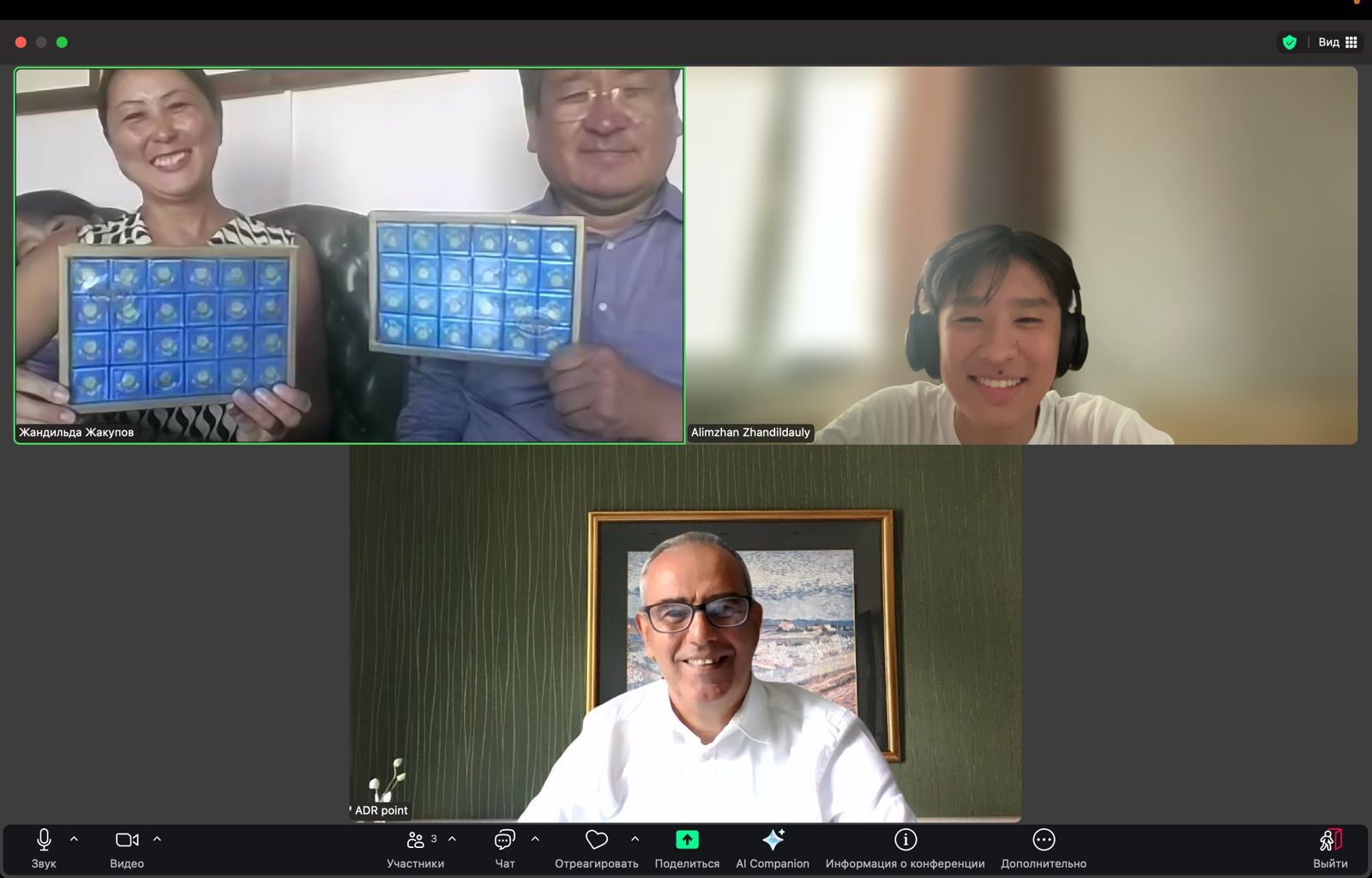
Жұмыс кездесуі Грекиядағы медиация орталығында
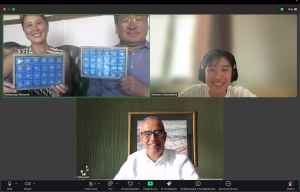
2025 жылдың шілде айында МПЦ басшылығының Грекия медиаторлар одағының төрағасы Петрос Зурдумиспен жұмыс кездесуі Афина қаласында (Грекия) өтті. Төрағаның айтуынша, Грекияда Медиация туралы заң 15 жыл бұрын қабылданған, ал 2019 жылдан бастап міндетті медиация енгізілген. Елде Әділет министрлігі аккредиттеген 4000 медиатор бар. Грекиядағы ADR Point медиация орталығы – алғашқы орталықтардың бірі, Еуроодақ тарапынан аккредиттелген. Осы жылдар ішінде медиация салалары кеңейді. Медиация азаматтық істерде, бизнес дауларда және банк дауларында қолданылады. Орталық медиаторлық қызмет көрсетеді, медиация бойынша тренингтер мен курстар өткізеді. Орталықтың жаттықтырушылары Гарвард, JAMS және басқа да мектептердің түлектері.
Грекияда азаматтық істер бойынша және 3 000 еуродан жоғары сомаға қатысты коммерциялық медиация бойынша сотқа талап қоюдан бұрын міндетті медиация өткізіледі. ЖКО істері медиацияға жатпайды. Алғашқы кеңес беру кездесуі 15 еуро тұрады, ал міндетті медиацияның құны 100 еуродан басталады. Медиация өткізу үшін тарап орталыққа өтініш береді, медиатор келіскен жағдайда басқа тарапқа ұсыныс жасалады. Егер келіссе, медиация жүргізіледі. Егер тарап медиатордан бас тартса, онда Әділет министрлігіне жүгінеді, сол жерден тізім бойынша кездейсоқ медиатор тағайындалады.
Өз кезегінде МПЦ басшысы Ж. Жакупов МПЦ туралы, оның құрылу тарихы, Медиация орталығының ашылуы және атқарылған жұмыстар жөнінде ақпарат ұсынды. Сондай-ақ Қазақстандағы медиация институты мен жүргізіліп жатқан жұмыстар туралы бөлісті.
Кездесу қатысушылары алдағы ынтымақтастық пен тәжірибе алмасу жөнінде келісімге келді.
Working meeting at the ADR Center, Italy’s Mediation Center
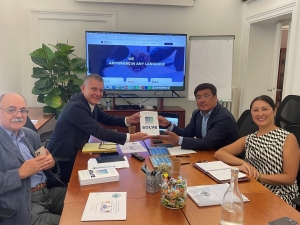
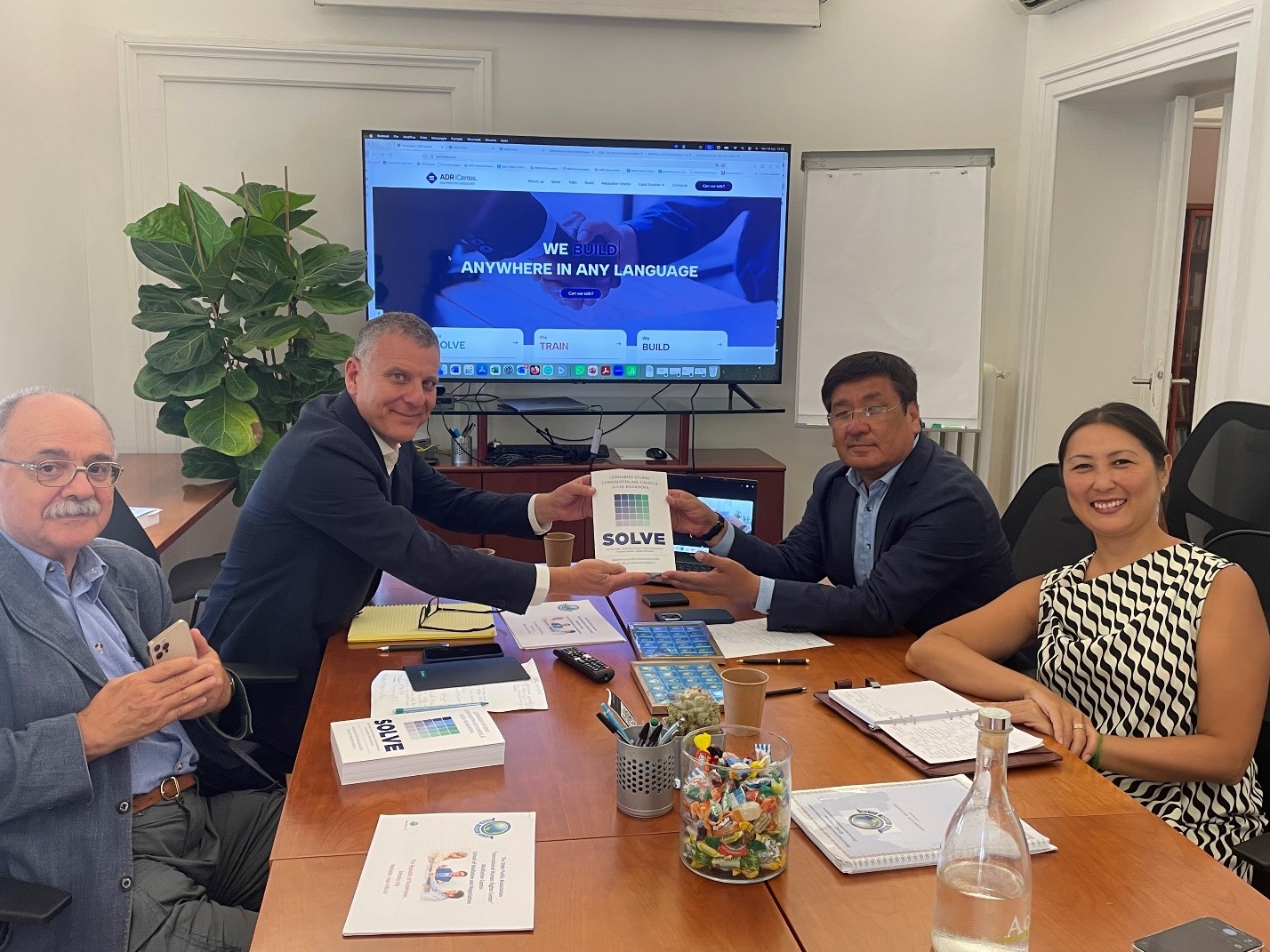
In July 2025, a working meeting was held in Rome between the leadership of the MPC and the head of the Italian Mediation Center ADR, Leonardo D’Urso. The Center is 27 years old and has been operating since 1998 in three main areas:
-
Mediation services in Italy and abroad in 16 languages. Each year, mediators conduct 7,000 mediations, with more than 100,000 cases handled in total throughout its history. The Center has 65 offices worldwide. In Italy alone, 150 mediators work under its network.
-
Expert work in the field of mediation: writing books, assisting in the development of mediation mechanisms, integration with the Government, and more.
-
Specialized training in mediation and negotiations, as well as mediator certification.
According to Mr. D’Urso’s presentation, the number of mediation cases has been growing over the past two years. The Center has its own online platform for dispute resolution, where all reviewed cases are stored in its database. A free consultation with a mediator lasts 15–20 minutes, while two hours of mediation work cost €250. The most difficult part is arranging the first meeting with the parties. In Italy, mediation in civil cases is mandatory before filing a lawsuit in court.
In turn, MPC Chairman Zh. Zhakupov presented information about MPC, its history, the establishment of its Mediation Center, and the work carried out to date. He also shared information about the institution of mediation in Kazakhstan and ongoing activities.
The participants of the meeting agreed on further cooperation and the development of a Memorandum.
Жұмыс кездесуі Италиядағы ADR медиация орталығында
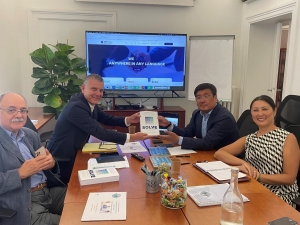
2025 жылдың шілде айында МПЦ басшылығының Италиядағы ADR медиация орталығының жетекшісі Леонардо Дюрсомен жұмыс кездесуі Рим қаласында өтті. Орталықтың құрылғанына 27 жыл болды, ол 1998 жылдан бері 3 бағытта жұмыс істейді:
-
Италияда және шетелде 16 тілде медиаторлық қызмет көрсету. Жыл сайын медиаторлар 7 000 медиация өткізеді, жалпы алғанда 100 мыңнан астам іс қаралған. Орталықтың әлем бойынша 65 кеңсесі бар. Италияның өзінде 150 медиатор жұмыс істейді.
-
Медиация саласындағы сараптамалық жұмыс: кітап жазу, медиаторлардың жұмыс механизмдерін әзірлеуге көмек көрсету, Үкіметпен интеграция және т.б.
-
Медиация мен келіссөздер бойынша мамандандырылған тренингтер өткізу, медиаторларды сертификаттау.
Леонардо Дюрсоның айтуынша, соңғы 2 жылда медиация істерінің саны артып келеді. Орталықтың дауларды реттеуге арналған жеке онлайн-платформасы бар, онда қаралған барлық істер сақталады. Медиатордың тегін кеңесі 15–20 минутқа созылады, ал 2 сағаттық жұмысы 250 еуро тұрады. Ең қиыны – тараптармен алғашқы кездесуді тағайындау. Италияда азаматтық істер бойынша медиация сотқа талап-арыз берер алдында міндетті түрде жүргізіледі.
Өз кезегінде МПЦ басшысы Жакупов Ж. МПЦ туралы, оның құрылу тарихы, Медиация орталығының ашылуы және атқарылған жұмыс туралы ақпарат ұсынды. Сондай-ақ Қазақстандағы медиация институты мен жүргізіліп жатқан жұмыс жөнінде бөлісті.
Кездесу қатысушылары алдағы ынтымақтастық және Меморандум әзірлеу жөнінде келісімге келді.